

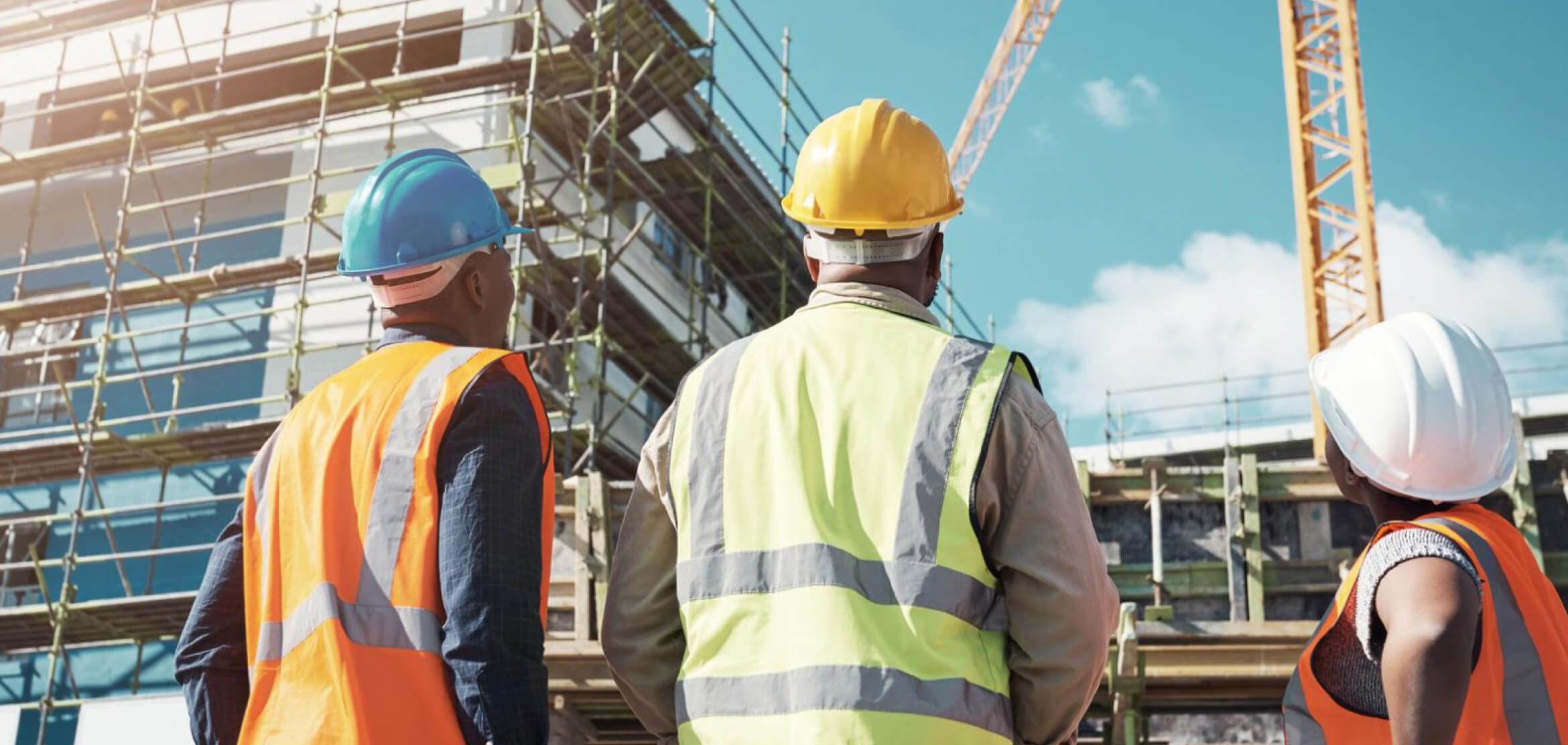
Architectural Design
Architectural Design is the process of creating and planning the physical form and structure of any buildings, landscapes, and other environments. It involves the thoughtful combination of aesthetics, functionality, safety, sustainability, and user experience to create spaces that meet specific needs while adhering to technical, legal, and environmental requirements.
Advantages:
- It ensures smooth movement through spaces, making them user-friendly and accessible for people of all abilities.
- It creates visually striking structures that enhance the aesthetic value of a location.
- It incorporates energy-efficient technologies like passive heating and cooling, solar panels, and energy-efficient lighting.
- It helps the architects to use sustainable materials such as recycled, low-impact, and renewable resources.
- It helps the architects to meet green building standards, focusing on minimising water and energy use, improving air quality, and reducing pollution etc.
Architectural Design Process:
- Our architects develop the overall vision or concept for the project through understanding the client’s needs, conducting site analysis, and exploring design possibilities.
- In the second stage, the design begins to take shape, with rough sketches, diagrams, and models illustrating the layout, form, and key elements of the project.
- Once the concept is approved, the design is further refined and detailed. More specific materials, systems, and structures are defined, and technical drawings are created.
- In the fourth stage, our architects involve creating detailed, precise drawings and specifications needed for construction.
- During Construction, our architects often oversee the project, ensuring the design is being implemented correctly. They may make adjustments or address issues that arise.